Snow Load and Your Roof: What Arizona Homeowners Should Know
Prescott roofs are built for snow, but not unlimited snow. Here is how much load your roof can hold, the warning signs of damage, and how to prevent it.
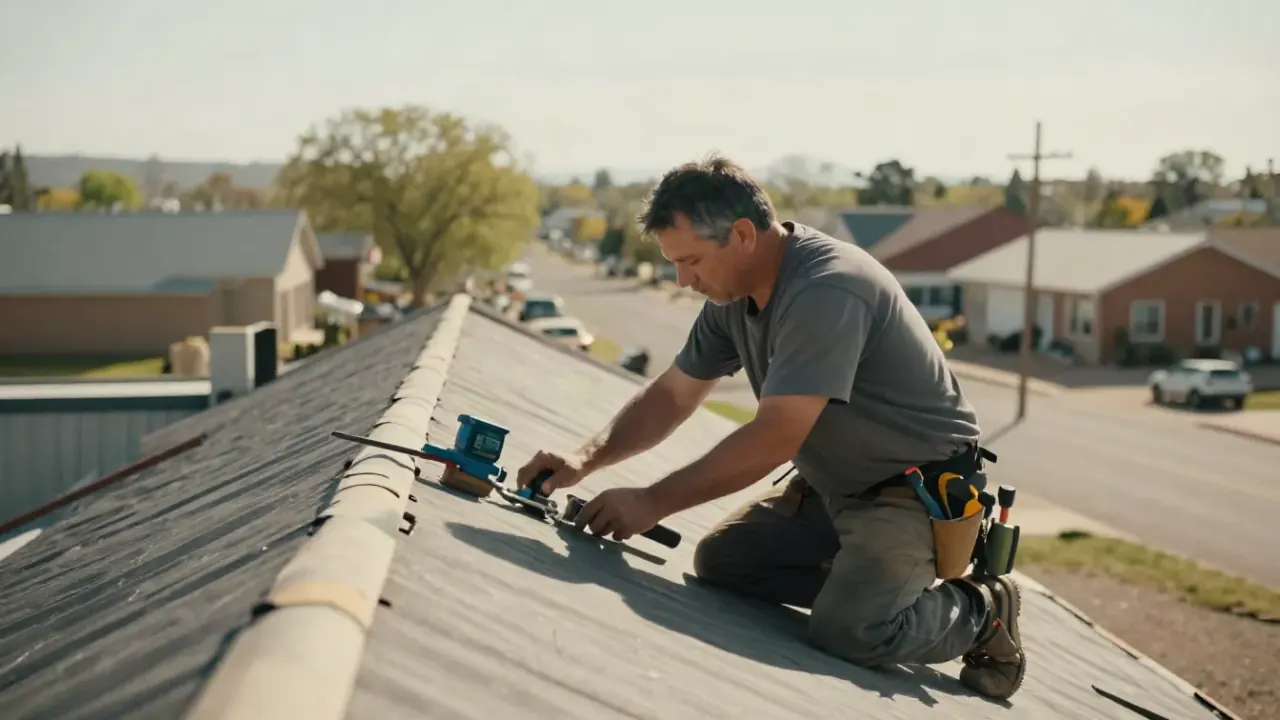
Your Prescott roof can hold a lot of snow - most homes here are built for a ground snow load of 30 to 40 pounds per square foot, which is roughly 2 to 3 feet of settled snow. But that number assumes the roof is in good shape and the snow is dry and evenly distributed. Wet, heavy snow or a drifted load can push a weakened roof past its limit fast. This guide covers how much snow load your roof can actually take, the warning signs of damage, and how to prevent it before the next storm rolls in.
How Much Snow Load Can a Roof Hold in Prescott AZ?
Prescott sits in a zone where the ground snow load is typically 30 to 40 psf (pounds per square foot), depending on elevation and which side of town you're on. That's the number your roof was designed to carry. A cubic foot of dry snow weighs about 6 to 8 pounds; wet snow can weigh 15 to 20 pounds per cubic foot. So 2 feet of wet snow on a 1,500-square-foot roof adds roughly 45,000 pounds - about the weight of 10 pickup trucks.
That load doesn't sit evenly. Wind pushes snow against dormers, valleys, and the north side of the roof, creating drifts that can be two or three times deeper than the surrounding snowpack. Those drifts are where roofs fail first.
If you're not sure what your roof was rated for, a professional Roof Inspections Prescott AZ can measure the structure and tell you exactly where you stand.
Why Prescott Snow Load Is Different From Mountain Towns
Prescott gets snow, but not the 100-inch winters they see in Flagstaff or the San Francisco Peaks. Our storms tend to be wetter and heavier, and they often melt during the day and refreeze at night. That freeze-thaw cycle is harder on roofing materials than a dry, cold snowpack.
It also means snow load is rarely a single-event problem here. It's cumulative. A roof that sheds 6 inches of dry snow without complaint can struggle after three or four wet storms in a row, especially if the snow never fully clears between them.
We see this most often in the older neighborhoods around Roof Repair in Hassayampa Village, where mature pines drop needles and shade the roof, slowing melt and letting snow sit longer. If your roof is under tree cover, you're carrying more load for more days than your neighbor down the street.
Does Snow Load Damage Roofs in Prescott?
Yes - snow load damages roofs in Prescott every winter, but rarely in the dramatic way people imagine. We almost never see a roof cave in. What we see is slow, cumulative damage that shows up months later as a leak, a sag, or a cracked rafter.
The most common problems we repair after a heavy snow season:
- Sagging roof lines - visible dips along the ridge or eaves, usually from a compromised rafter or truss.
- Cracked or split rafters - often found during a post-winter inspection, not by the homeowner.
- Ice dam leaks - water backs up under shingles when snow melts and refreezes at the eaves.
- Flashing separation - snow creep pulls flashing away from chimneys and sidewalls, opening a path for water.
- Shingle damage - freeze-thaw cycles lift and crack asphalt shingles, especially on south-facing slopes.
If you spot any of these, a Roof Leak Repair Prescott AZ visit is the fastest way to stop the damage from spreading into your ceilings and insulation.
Warning Signs of Snow Load Roof Damage Prescott Homeowners Miss
Most homeowners catch snow load damage too late - after the stain appears on the ceiling. These are the signs to watch for during and right after a storm:
- Doors and windows that suddenly stick. A roof that's sagging under load can distort the frame below it.
- Cracks in drywall at the corners of doorways. This is often the first visible sign of structural movement.
- Popping or creaking sounds during a storm. Wood under stress talks. If you hear it, get the roof looked at.
- Visible sag in the roof line. Stand across the street and look at the ridge - it should be straight.
- Ice dams at the eaves. A thick ridge of ice along the edge means water is backing up under your shingles.
- Water stains on ceilings or exterior walls. By the time you see this, the leak has been running for a while.
Any one of these is worth a call. Two or more means you should have someone on the roof this week, not next month.
How to Prevent Snow Load Roof Damage in Arizona
Prevention in Prescott is mostly about maintenance and knowing when to clear the roof - not about building a fortress.
Before the first snow
- Have the roof inspected in the fall, especially if it's more than 15 years old.
- Clear pine needles, leaves, and debris from valleys and gutters. Debris holds moisture and adds weight.
- Check flashing around chimneys, skylights, and vents. Loose flashing is the number-one entry point for ice dam leaks.
- Trim tree limbs back at least 6 feet from the roof surface.
During and after a storm
- Don't wait for the snow to melt on its own if it's more than 12 to 18 inches deep, especially on a low-slope or flat roof.
- Use a roof rake from the ground - never walk on a snow-covered roof.
- Clear the bottom 3 to 4 feet of snow from the eaves to prevent ice dams.
- Never chip at ice with a shovel or axe. You'll tear the shingles.
If your home has a low-slope or flat section, that area deserves extra attention. Flat roofs don't shed snow the way pitched roofs do, and a Flat Roof Repair Prescott AZ inspection before winter can catch drainage problems that turn into ponding and leaks.
Common Mistakes With Arizona Snow Load Roofing
We see the same handful of mistakes every winter. Avoiding them saves thousands in repairs.
- Assuming Prescott snow is light. It's often wet and heavy - two to three times the weight of dry powder.
- Ignoring small leaks until spring. A slow leak through a flashing gap can rot a rafter in one season.
- Shoveling the whole roof. You don't need to clear it to the deck. Removing the bottom few feet and any drifts is usually enough.
- Using a metal shovel or ice chopper. This is how shingles get destroyed. Use a plastic roof rake.
- Skipping the post-winter inspection. Damage from snow load often doesn't show up until the spring melt. That's when we find cracked rafters and separated flashing.
If you're in one of the newer developments on the east side, like Roof Repair in Prescott Valley, the same rules apply - newer roofs still need snow cleared from valleys and eaves, especially if the builder used a lighter truss package.
When to Call a Professional
Call us when you see sagging, hear creaking during a storm, or find water stains on a ceiling. Those are not wait-and-see problems. We'll get on the roof, find the source, and tell you what it takes to fix it - no guesswork, no pressure.
We also recommend a professional inspection if your roof is more than 15 years old, if you've had three or more heavy snow seasons without one, or if you're buying a home in Prescott and want to know what you're taking on. Our team at Prescott Roof Repair handles snow load roof inspection Prescott homeowners actually need - we look at the structure, the flashing, the drainage, and the shingles, and we give you a straight answer.
If you're in a neighborhood like Roof Repair in Willow Lake where the pines are thick and the snow lingers, an annual check is cheap insurance against a spring leak.
Frequently Asked Questions
How much snow load can a roof hold in Prescott AZ?
Most Prescott roofs are designed for a ground snow load of 30 to 40 psf, which translates to roughly 2 to 3 feet of settled snow. Wet snow can weigh twice as much as dry snow, so 12 to 18 inches of wet snow can equal the load of 3 feet of powder.
Does snow load damage roofs in Prescott?
Yes. We see sagging roof lines, cracked rafters, ice dam leaks, and flashing separation every winter. The damage is usually cumulative rather than sudden - a roof that survives one storm may fail after three or four in a row without maintenance.
How to prevent snow load roof damage in Arizona?
Inspect the roof each fall, clear debris from valleys and gutters, check flashing, and rake the bottom 3 to 4 feet of snow off the eaves after a storm. Never walk on a snow-covered roof or chip ice with a metal tool. If snow exceeds 12 to 18 inches, clear it with a roof rake from the ground.
Can snow load roof damage be repaired in Prescott?
Almost always, yes. Cracked rafters can be sistered, flashing can be resealed, and shingles can be replaced. The key is catching it before water reaches the insulation and drywall. A post-winter inspection in March or April is the best way to find damage early.
How often should I have my roof inspected for snow load issues?
Once a year in the fall, and again in the spring if we had a heavy snow season. If your roof is over 15 years old or sits under pine trees, twice a year is smart. An inspection takes about an hour and costs far less than a structural repair.
Get Help With Roof Repair in Prescott
Snow load damage doesn't fix itself, and small leaks turn into big ones fast. If you've seen sagging, staining, or ice dams this winter, call Prescott Roof Repair at (928) 260-9145. We'll inspect your roof, explain what we find, and give you a clear price before we start.